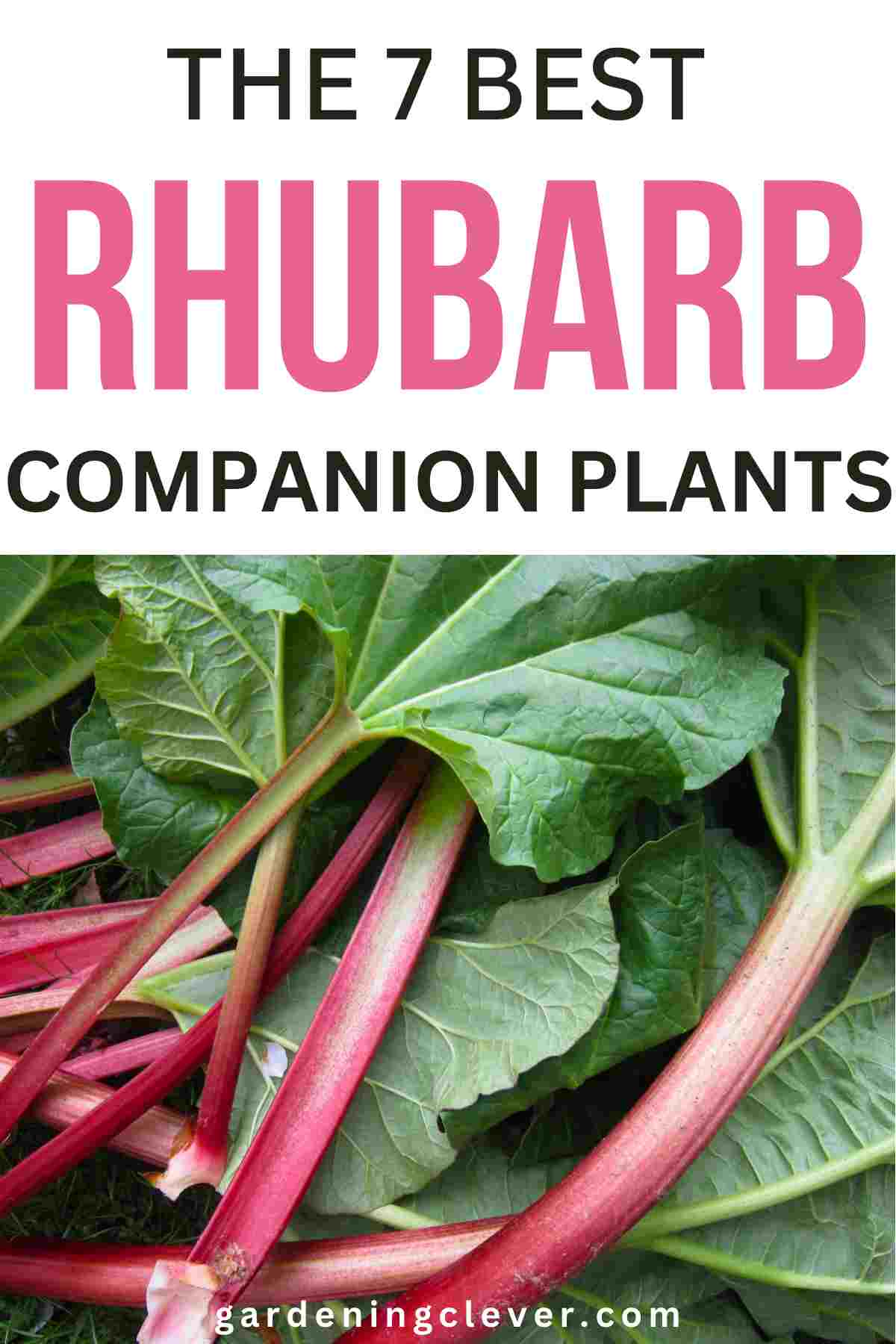
Rhubarb has a wonderful flavour and is really versatile when it comes to using it for cooking. So it’s no surprise that growing rhubarb in gardens is a favourite.
But just like any other plant rhubarb thrives best when paired with the right companions.
The right companion plants can boost rhubarb’s growth, keep pests at bay and even improve soil health.
I’ve spent years testing out combinations and so the following are some of the best companion plants for rhubarb along with tips on how to care for each pairing.
1. Strawberries
Strawberries and rhubarb are often seen together in the kitchen, but they also make excellent companions in the garden. Strawberries benefit from the shade that rhubarb provides, while rhubarb enjoys the nitrogen that strawberries add to the soil.
- Growing Requirements: Plant strawberries in well-draining soil with plenty of organic matter. They prefer slightly acidic to neutral pH levels, similar to rhubarb.
- Watering: Strawberries need consistent moisture, especially during flowering and fruiting. Mulching around the plants can help retain moisture and keep the roots cool.
- Location: Choose a sunny spot where both plants can get at least six hours of direct sunlight. If your garden is in a hotter climate, some afternoon shade might be beneficial.
An extra tip: If you’re planting strawberries and rhubarb together, consider using a drip irrigation system. It’s efficient and ensures that both plants get the consistent moisture they need without waterlogging the soil.
2. Garlic
Garlic is a fantastic companion for rhubarb. Not only does it help deter pests like aphids and whiteflies, but it also enhances the flavor of rhubarb when grown nearby.
- Growing Requirements: Garlic thrives in well-drained soil rich in organic matter. It’s a low-maintenance crop that does well in both full sun and partial shade.
- Watering: Water garlic deeply but infrequently. It’s crucial not to overwater, especially as the bulbs mature.
- Location: Plant garlic in the fall in a spot where it will get full sun during the growing season. Pairing it with rhubarb can create a natural barrier against pests.
A clever trick: Interplanting garlic and rhubarb can make the most of limited space, as garlic takes up very little room. The tall, broad leaves of rhubarb won’t overshadow the garlic, allowing both plants to thrive.
3. Beans
Beans, particularly bush beans, are a great companion for rhubarb due to their nitrogen-fixing ability, which enriches the soil and supports rhubarb’s growth. They also benefit from rhubarb’s large leaves, which provide natural shade.
- Growing Requirements: Beans prefer loamy soil that drains well and is rich in organic material. They do well in soil with a pH of 6.0 to 7.0, which aligns perfectly with rhubarb’s needs.
- Watering: Beans need about an inch of water per week, more during hot, dry spells. Avoid overhead watering to prevent disease.
- Location: Plant beans in a sunny spot, ensuring they have room to spread. Since they’re low-growing, they won’t compete with rhubarb for light.
One tip you might not find elsewhere: Plant beans around the base of rhubarb to create a living mulch. This helps retain moisture in the soil and reduces the need for frequent weeding.
4. Chives
Chives are an easy-to-grow herb that pairs well with rhubarb. They help repel pests like aphids, and their flowers attract pollinators, which can benefit the entire garden.
- Growing Requirements: Chives are incredibly hardy and can grow in a variety of soils, though they prefer well-drained, rich soil.
- Watering: Keep the soil consistently moist but not waterlogged. Chives are drought-tolerant but will grow best with regular watering.
- Location: Plant chives in a sunny or partially shaded area near your rhubarb. They can even be planted between rhubarb plants without competing for space.
Extra insight: Harvest chives frequently to encourage new growth and keep them from overshadowing younger rhubarb plants. Plus, frequent harvesting ensures a constant supply of fresh herbs for your kitchen.
5. Brassicas (Cabbage, Kale, Broccoli)
Brassicas such as cabbage, kale, and broccoli are excellent companions for rhubarb. They help to deter cabbage worms and other pests that might otherwise be attracted to your rhubarb.
- Growing Requirements: Brassicas prefer fertile, well-drained soil with a neutral pH. They are heavy feeders, so adding compost or well-rotted manure before planting can be beneficial.
- Watering: Water consistently, aiming for about 1-2 inches per week, depending on weather conditions.
- Location: These vegetables do well in full sun, but they can also tolerate some shade, making them ideal partners for rhubarb, especially in gardens with varied sunlight.
Different idea: Try planting kale, which tends to be less susceptible to pests than other brassicas, alongside rhubarb. The robust growth of kale can help suppress weeds, making it a beneficial addition to your rhubarb patch.
6. Onions
Onions are another strong companion for rhubarb, known for their pest-repelling properties. They can help keep away pests like carrot flies and aphids, making them a great addition to your garden.
- Growing Requirements: Onions thrive in well-drained soil and need a sunny location. They prefer a soil pH of 6.0 to 7.0, which works well alongside rhubarb.
- Watering: Onions require consistent watering, especially during the bulbing phase. Be careful not to overwater, as they are prone to rot in waterlogged soil.
- Location: Plant onions in a sunny spot near rhubarb to maximize their pest-repelling benefits. They take up little space, so they can be planted quite close to rhubarb without competing for nutrients.
Expert advice: Consider planting onions around the perimeter of your rhubarb bed as a natural pest barrier. This strategy not only protects rhubarb but also other plants within the garden.
7. Marigolds
Marigolds are often praised for their pest-deterring abilities, and they make a colorful and effective companion for rhubarb. They repel nematodes, aphids, and many other common garden pests.
- Growing Requirements: Marigolds are hardy and adaptable, growing well in a wide range of soil types. They prefer well-drained soil with plenty of sunlight.
- Watering: Marigolds need regular watering, particularly during dry spells. However, they are drought-tolerant and can survive with minimal care once established.
- Location: Plant marigolds around the edge of your rhubarb patch. They require full sun, which complements the growing conditions of rhubarb.
Insider tip: Marigolds are not just good for repelling pests—they also attract beneficial insects like ladybugs, which can help keep your rhubarb healthy. Plant them liberally throughout your garden for the best results.
Final Thoughts
Choosing the right companion plants for your rhubarb can make a significant difference in your garden’s productivity and health. By pairing rhubarb with plants like strawberries, garlic, beans, chives, brassicas, onions, and marigolds, you can create a thriving, harmonious garden environment. Each of these plants offers unique benefits that complement rhubarb’s needs, from pest control to soil enrichment.
Remember, successful gardening is all about observation and adaptation. Keep an eye on how your plants interact, and don’t be afraid to experiment with different combinations. With a little patience and attention, you’ll find that these companion plants not only help your rhubarb flourish but also enhance the overall vitality of your garden.