
Last summer I watched three of my favorite container plants basically melt into sad, crispy versions of themselves during a brutal heatwave. I was watering them religiously, giving them the “right” amount of sun (or so I thought), and they still looked absolutely miserable by mid-July. That’s when I realized I’d been fighting against nature instead of working with it.
Here’s the thing about container gardening in the heat: you need plants that actually thrive when the temperature cranks up, not just ones that can technically survive it. And honestly? There are way more heat-loving beauties out there than most people realize.
So if you’re dealing with scorching summers and want containers that look incredible instead of half-dead, you’re in exactly the right place.
[toc]
Why Heat Tolerant Container Plants Are Different
Before we dive into the actual plant list, let me explain something that took me way too long to figure out: heat-tolerant doesn’t just mean “won’t die in hot weather.” It means these plants have adapted to actually love the heat. They’ve developed thick, waxy leaves, deep root systems, or water-storing capabilities that make them perfectly suited for those brutal 90°F+ days.
Container plants face unique challenges that in-ground plants don’t. The soil in containers heats up faster, dries out quicker, and the roots have nowhere to escape when things get hot. So you need plants that can handle that intensity without throwing a fit.
I learned this the hard way with some impatiens I planted in full sun containers a few years back. They looked fantastic at the nursery in May, but by late June they were basically begging for mercy. Meanwhile, my neighbor’s portulaca in similar conditions was blooming like crazy. That’s when the lightbulb went off.
The Best Heat Loving Container Plants
Lantana
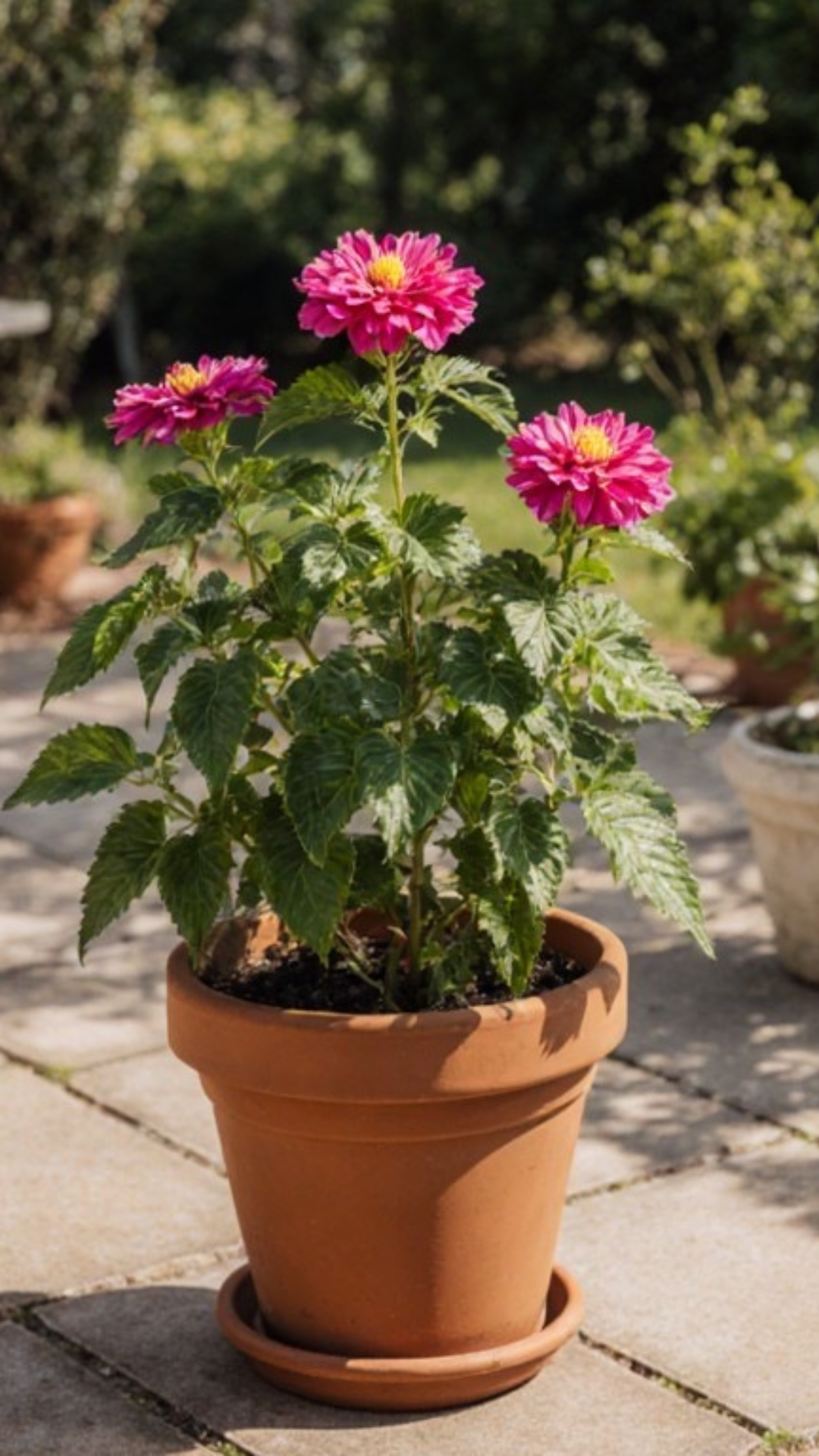
Lantana is honestly one of my all-time favorite heat lovers. This plant doesn’t just tolerate heat—it absolutely thrives in it. The clusters of tiny flowers come in these incredible color combinations: yellow fading to orange, pink to purple, pure white. And here’s the best part: the hotter it gets, the more it blooms.
I’ve got a couple of trailing lantana varieties in hanging baskets on my south-facing patio, and they’ve survived multiple weeks of 95°F+ temperatures without even looking stressed. They’re also drought-tolerant once established, which means if you forget to water for a day (or two… no judgment), they’ll forgive you.
One quick note: lantana can be toxic to pets, so keep that in mind if you’ve got curious dogs or cats who like to nibble on plants.
Pentas
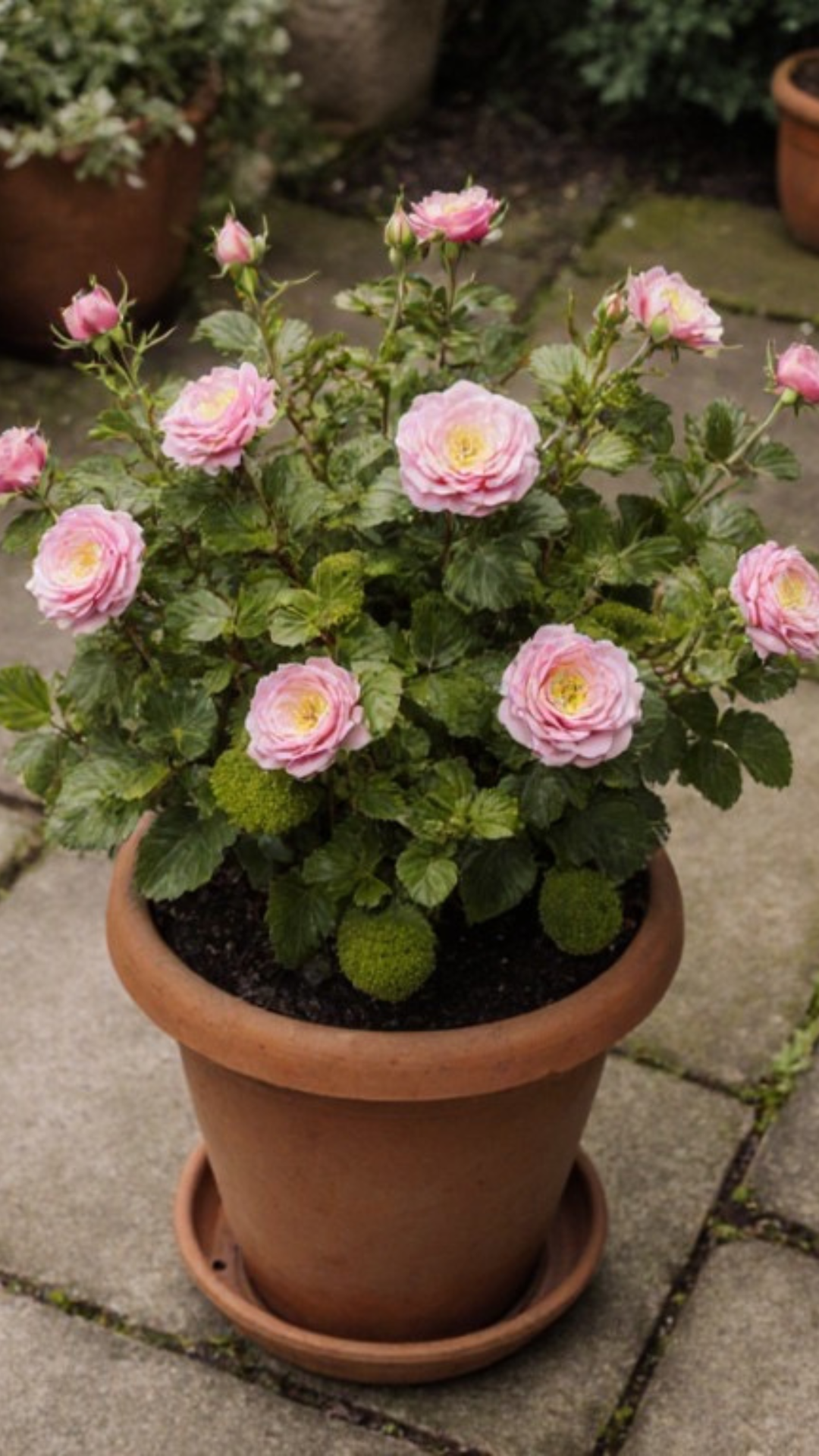
Pentas are these gorgeous star-shaped flower clusters that butterflies absolutely lose their minds over. I planted red pentas last summer, and I swear I had more butterflies visiting my balcony than I’d seen in years combined.
These plants perform best in full sun and heat. According to research from the University of Florida’s IFAS Extension, pentas are one of the top nectar sources for butterflies in hot climates (https://edis.ifas.ufl.edu), which makes them both beautiful and ecologically valuable. They come in red, pink, white, and lavender, and they bloom continuously all summer long.
The flowers are pretty substantial too—not those tiny, barely-there blooms that you can only see if you squint. These make a statement.
Moss Rose (Portulaca)
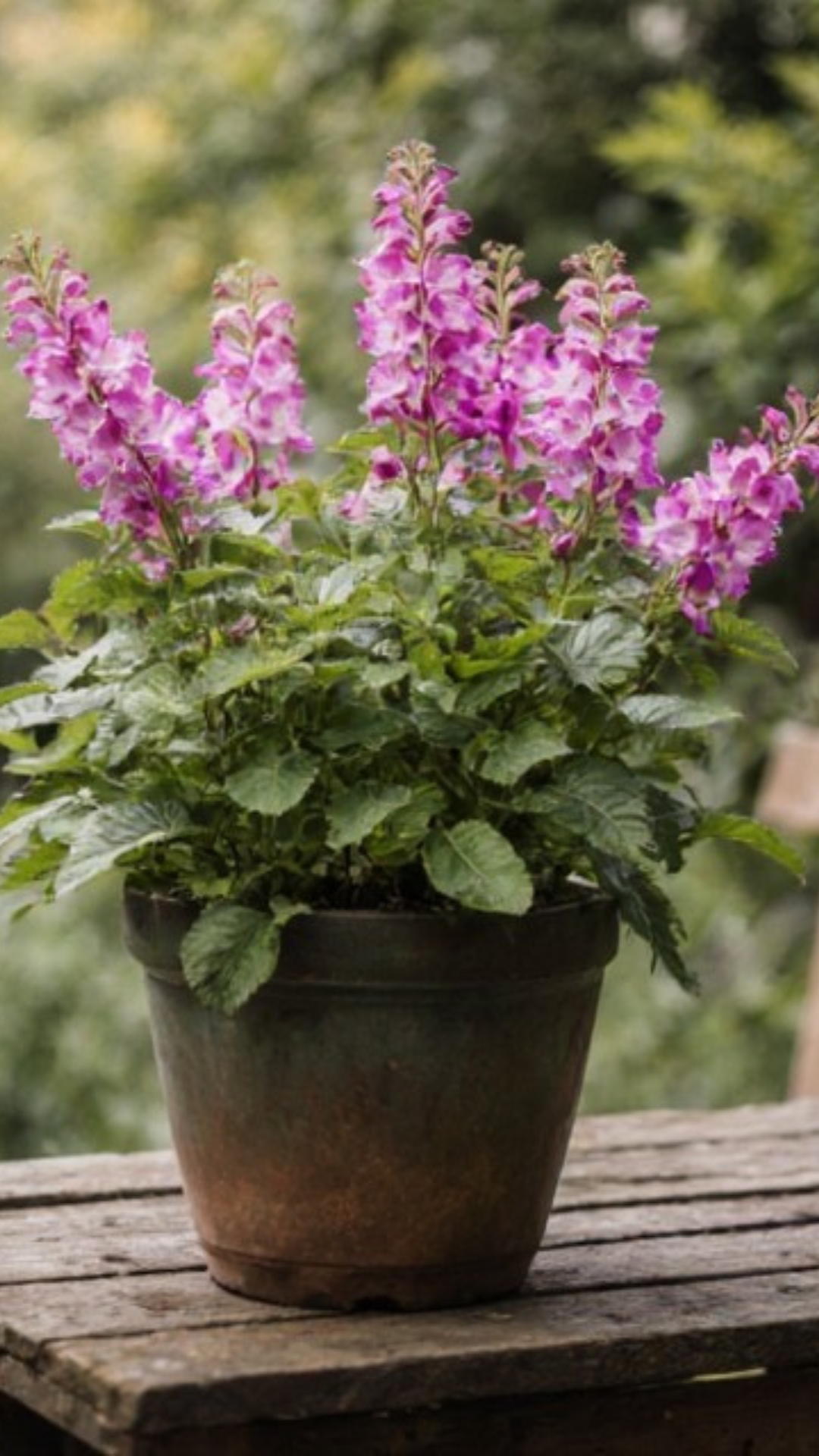
Remember that neighbor I mentioned? The one whose portulaca made my impatiens look pathetic? Yeah, I took the hint and planted some the following year. Game changer.
Moss rose is basically indestructible in the heat. It’s a succulent, so it stores water in its leaves and can handle intense sun and drought like a champion. The flowers are these delicate, papery blooms in the most vibrant colors—hot pink, orange, yellow, red, white. Some varieties even have double blooms that look almost like tiny roses.
I’ve planted moss rose in some shallow containers where other plants struggled with the limited root space, and it didn’t care one bit. It just sprawled out and covered the entire container with flowers. Plus, it self-seeds, so you might get surprise volunteers the next year.
Angelonia
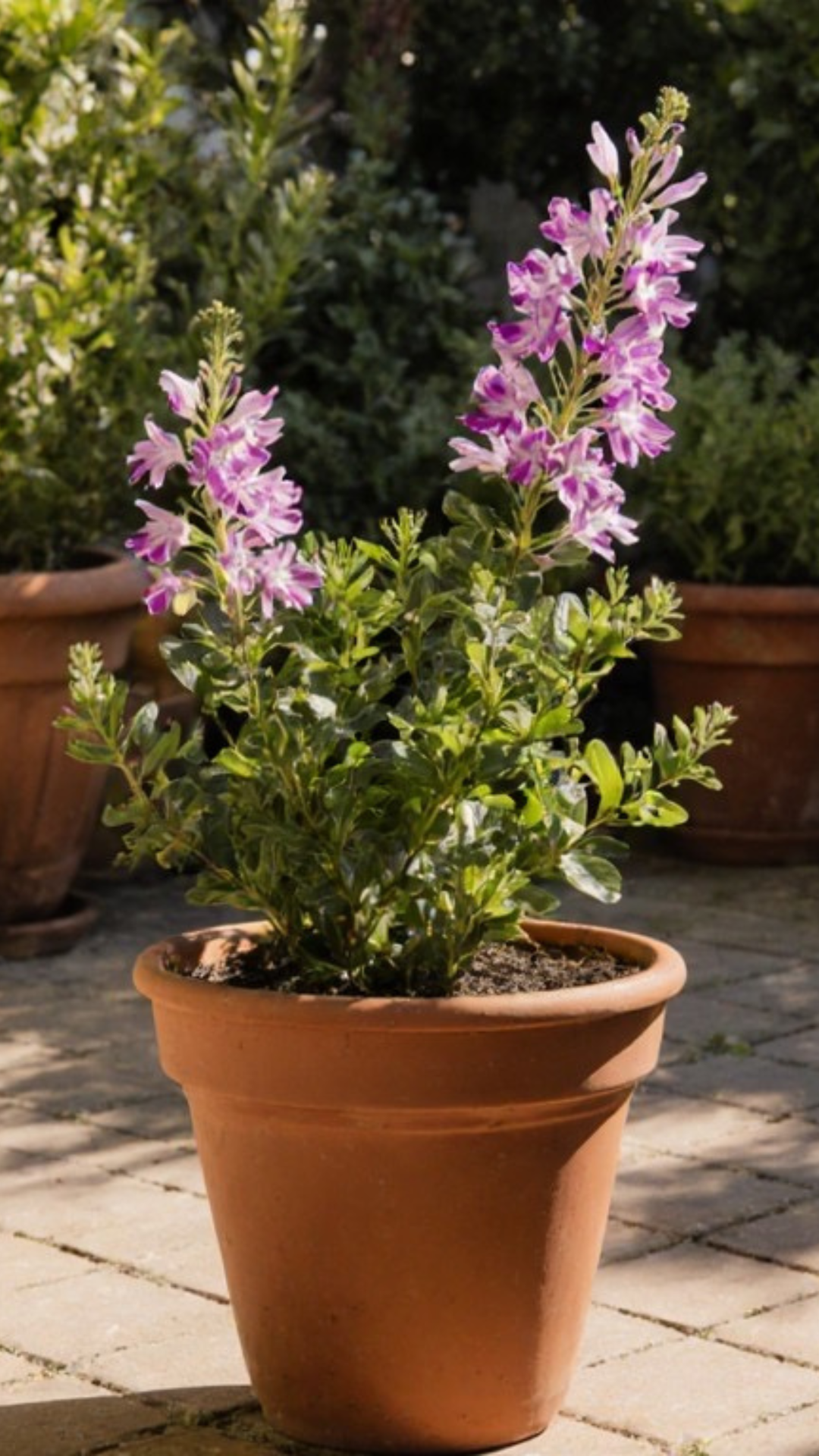
Angelonia has this elegant, upright growth habit that looks almost orchid-like, which is why people call it “summer snapdragon.” But unlike actual snapdragons, which can get pretty cranky in intense heat, angelonia keeps its cool.
I love using angelonia as a “thriller” plant in mixed containers—it gives you that vertical interest while everything else spills around it. The flower spikes keep coming all season, and they’re available in purple, pink, white, and bicolors. No deadheading required, which is huge for me because I’m honestly pretty lazy about garden maintenance.
Zinnias
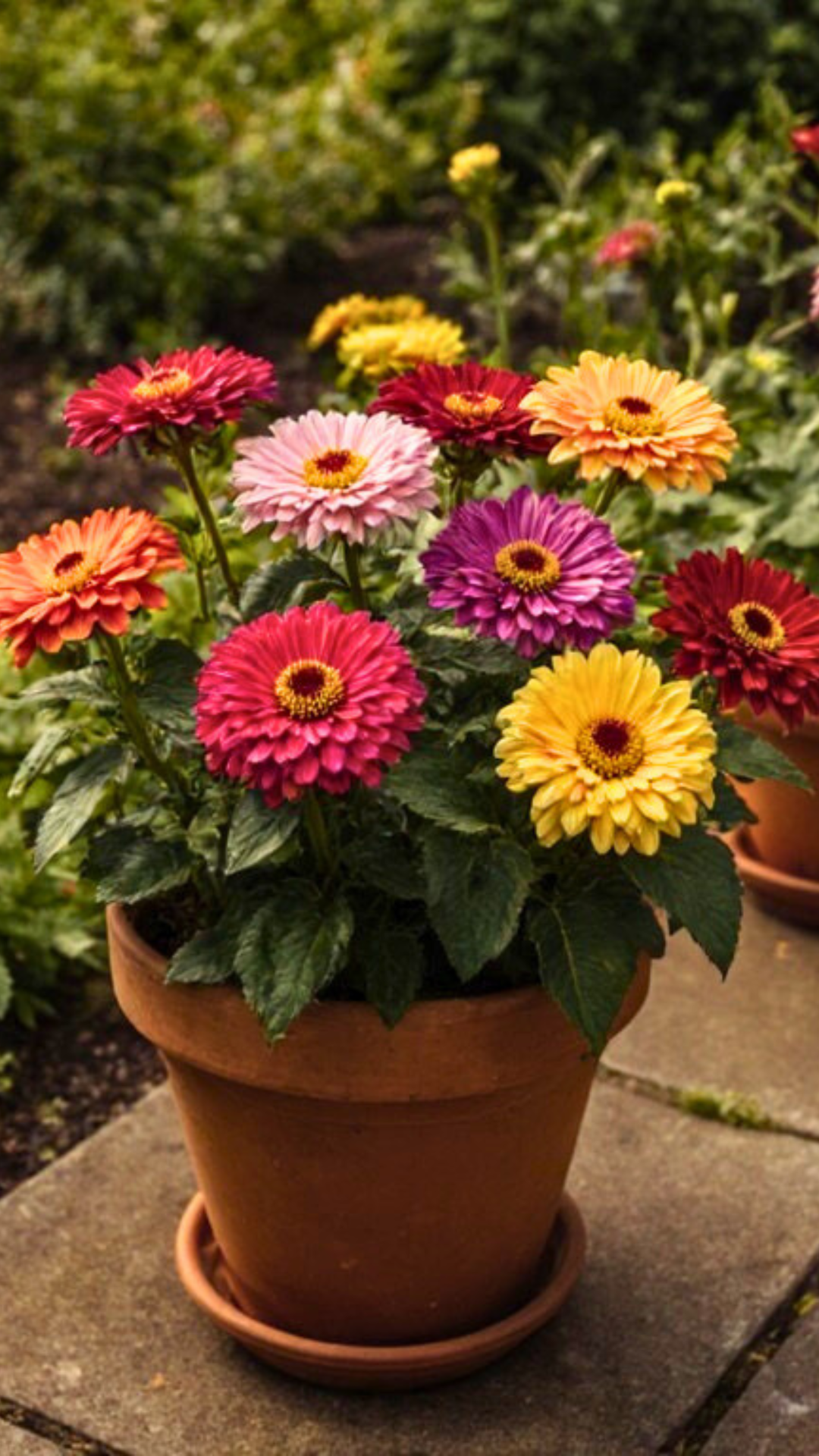
Okay, so zinnias are technically annuals that you can grow anywhere, but they genuinely love heat. Like, the hotter it gets, the happier they are. I’ve grown zinnias in containers for years, and they’re one of the most rewarding plants you can possibly grow.
The color range is insane—pretty much every color except blue. And the forms! You’ve got single blooms, doubles, cactus-flowered, button types, giant dinner-plate sized flowers. I grew some ‘Benary’s Giant’ zinnias last year in a large container, and people literally stopped to ask me about them.
According to the National Garden Bureau, zinnias are one of the easiest flowers to grow from seed and are incredibly heat and drought tolerant once established (https://ngb.org). I direct-seeded some in containers in late May, and they bloomed from July straight through to frost.
Vinca (Catharanthus)
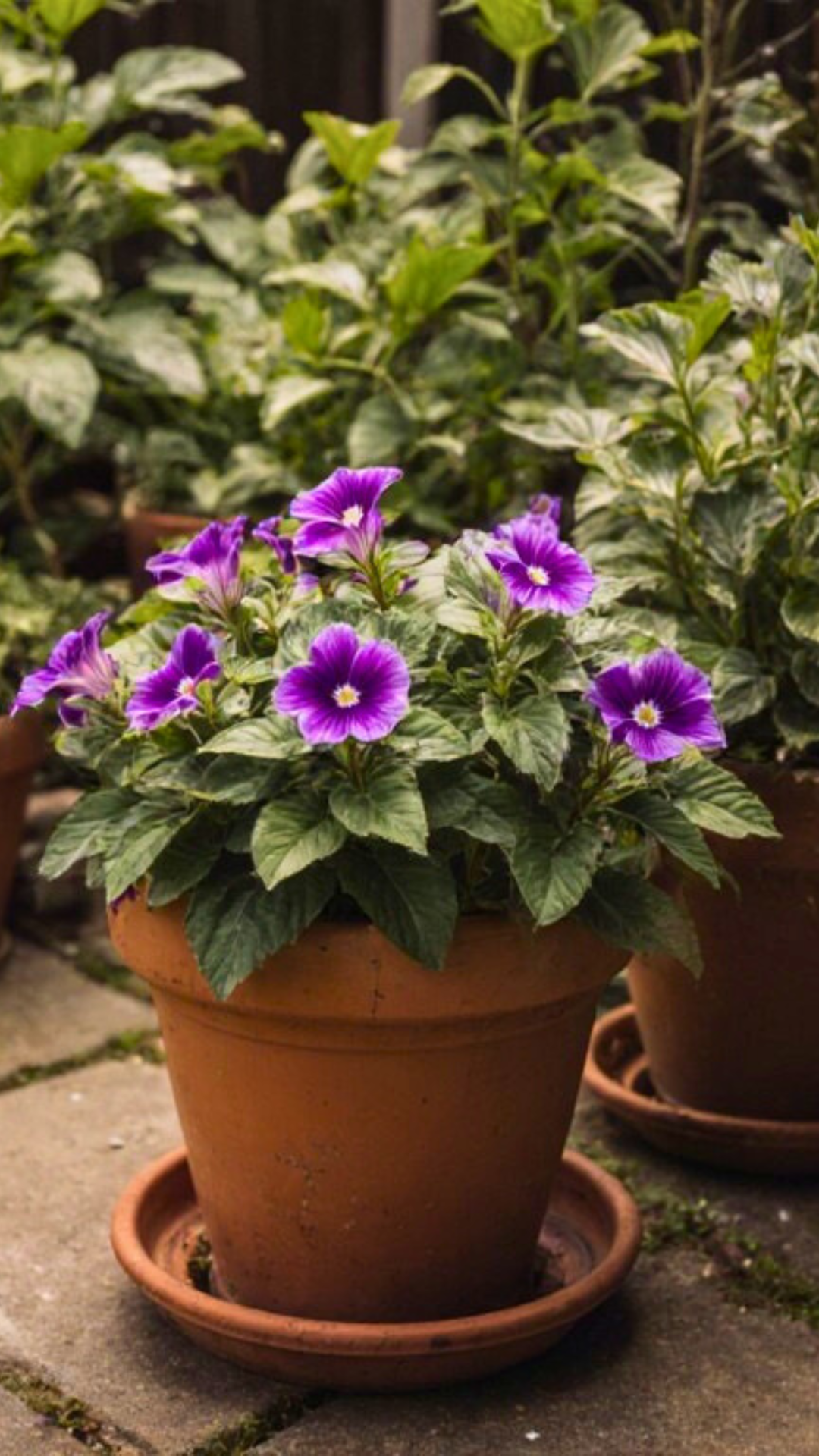
Not to be confused with vinca vine (periwinkle), annual vinca is one of those reliable heat-lovers that just keeps going. The flowers are simple but cheerful—usually pink, white, or red with a contrasting eye in the center.
I’ll be real with you: vinca isn’t the most exciting plant on this list. But sometimes you need plants that are just going to show up and do their job without drama, and vinca is that plant. It handles heat, humidity, and even some drought. I’ve used it as a filler in mixed containers, and it provides consistent color without trying to take over.
Foliage Plants That Handle the Heat
Coleus
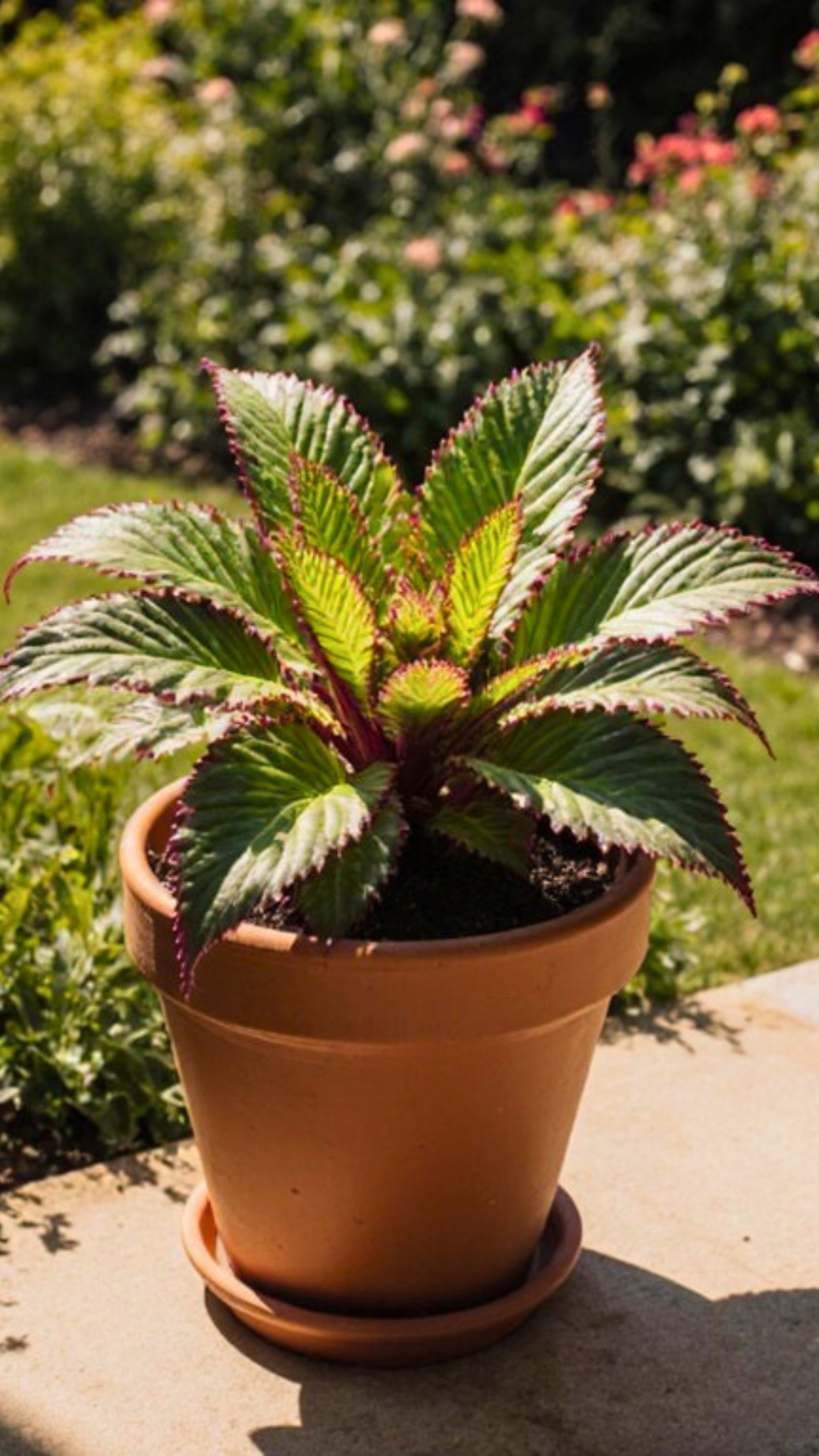
I used to think coleus was just a shade plant until I discovered the sun-tolerant varieties. These have completely changed my container game. The foliage is absolutely stunning—burgundy and lime green, deep purple with hot pink edges, orange and red combinations that look like autumn leaves.
Some varieties like ‘Wasabi’ and the ColorBlaze series are specifically bred to handle full sun and heat. I’ve got a container with ‘Redhead’ coleus paired with some yellow calibrachoa, and the combination is fire. Literally—it looks like flames.
The key with coleus in heat is making sure they don’t dry out completely. They can handle heat but they’re not as drought-tolerant as some other plants on this list. I check them daily during the hottest stretches.
Purple Fountain Grass
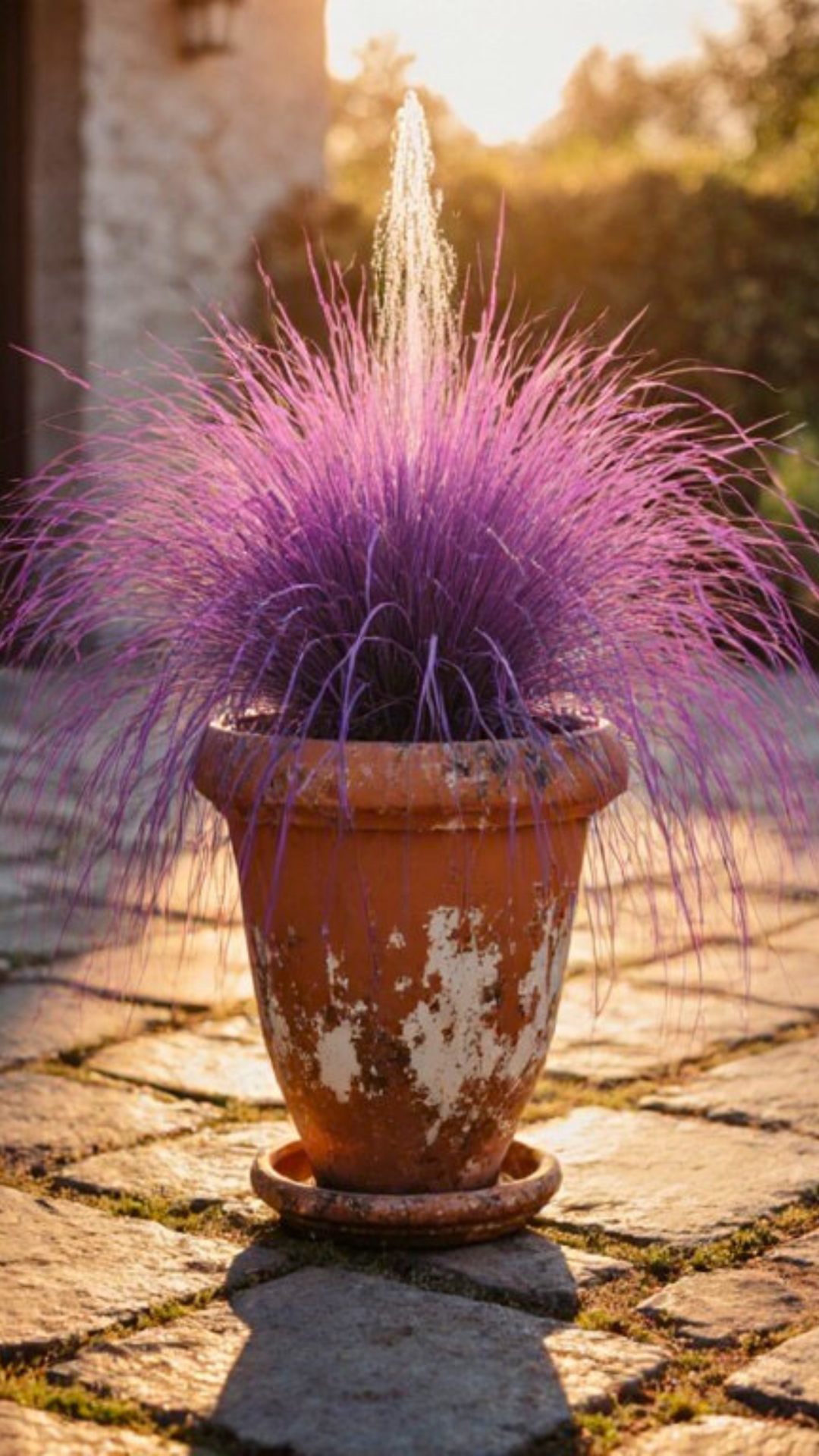
If you want texture and movement in your containers, purple fountain grass is where it’s at. The burgundy foliage and feathery plumes add this incredible drama to container arrangements.
I use it as a thriller in large mixed containers, and it provides that structural element that makes everything else pop. It’s also ridiculously heat and drought tolerant once established. The only downside is that it can get pretty big (2-3 feet), so you need a substantial container to accommodate it.
Sweet Potato Vine
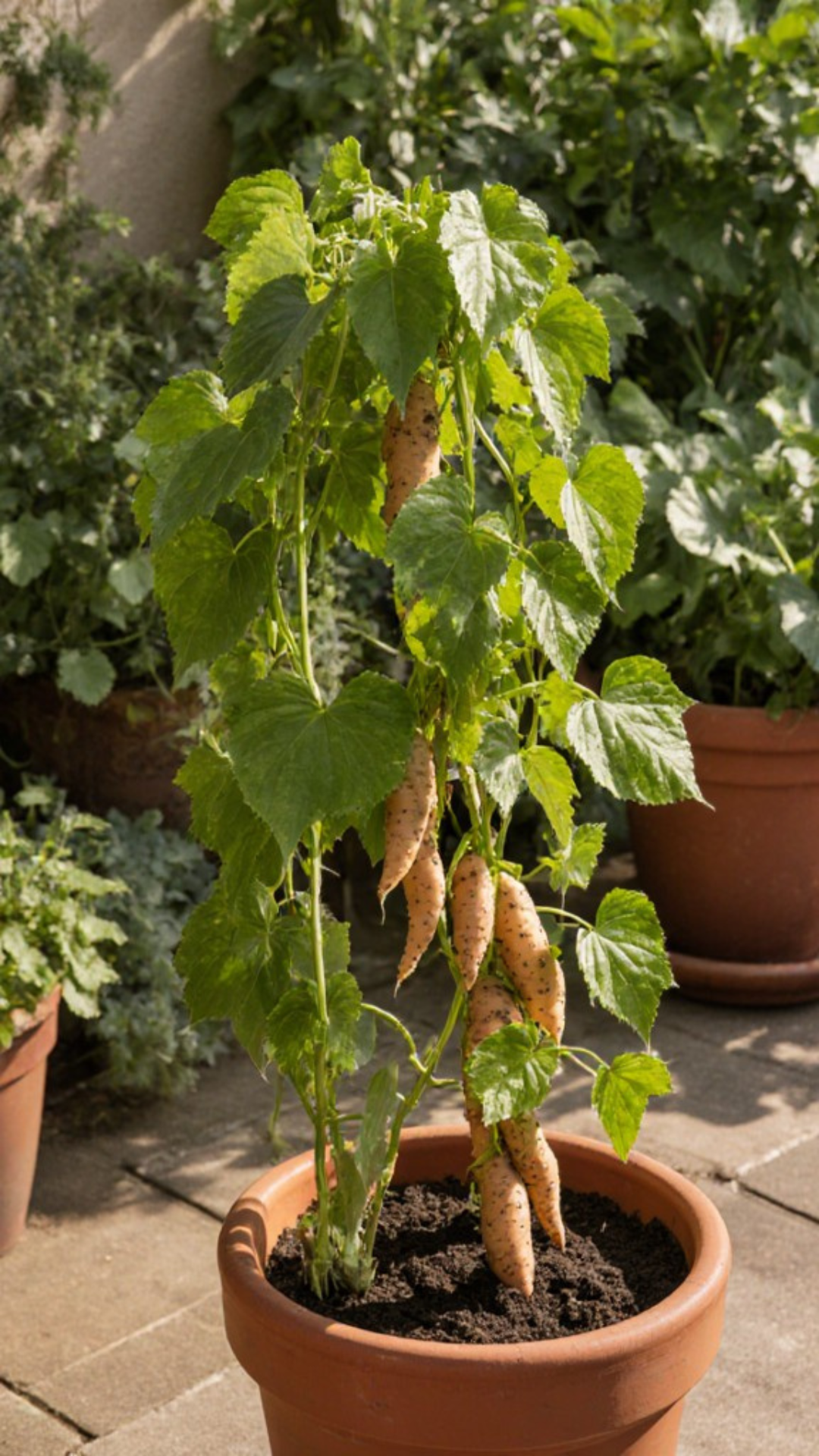
Sweet potato vine is one of my absolute go-to spillers for container combinations. It comes in chartreuse, deep purple, bronze, and even tri-color varieties, and it grows like crazy in the heat.
Here’s what I love about it: it’s basically foolproof. Full sun? Great. Part sun? Also fine. Forgot to water? It might look a little wilted, but it bounces back. And it fills in fast, which is perfect if you want your containers to look full and lush quickly.
I had a container last year with purple sweet potato vine, orange zinnias, and some purple verbena, and it looked good from June through September with minimal effort on my part.
Succulents for Hot Container Gardens
Sedum
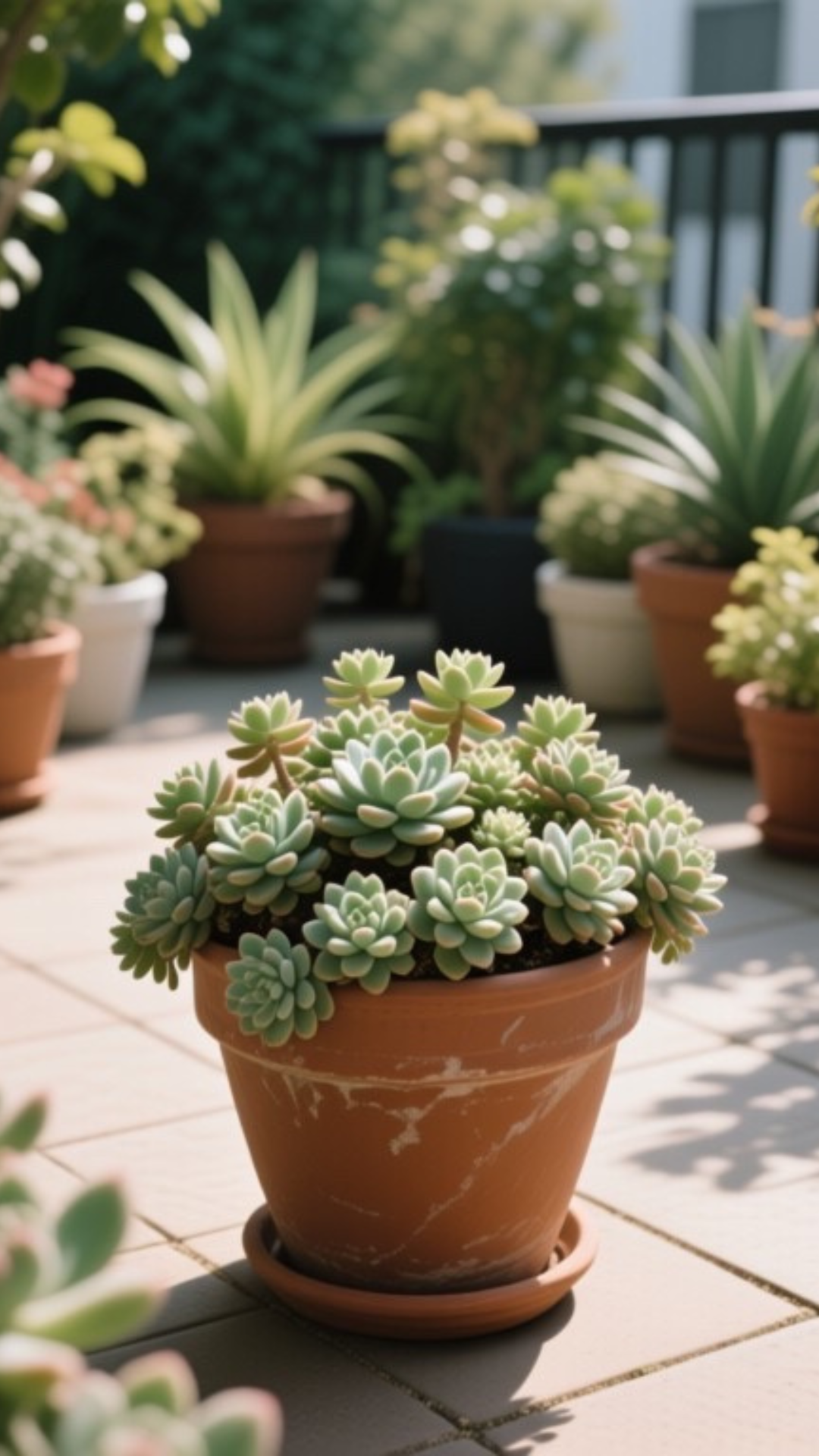
Sedums are these chunky little succulents that are practically indestructible in heat. I’ve got some trailing sedums (‘Burrito’ and ‘Angelina’) in shallow bowls, and they’ve survived temps over 100°F without batting an eye.
The upright sedums like ‘Autumn Joy’ work great in mixed containers too. They provide interesting texture with their thick, fleshy leaves, and many varieties bloom in late summer with these gorgeous pink or red flower clusters that butterflies love.
Echeveria and Sempervivum
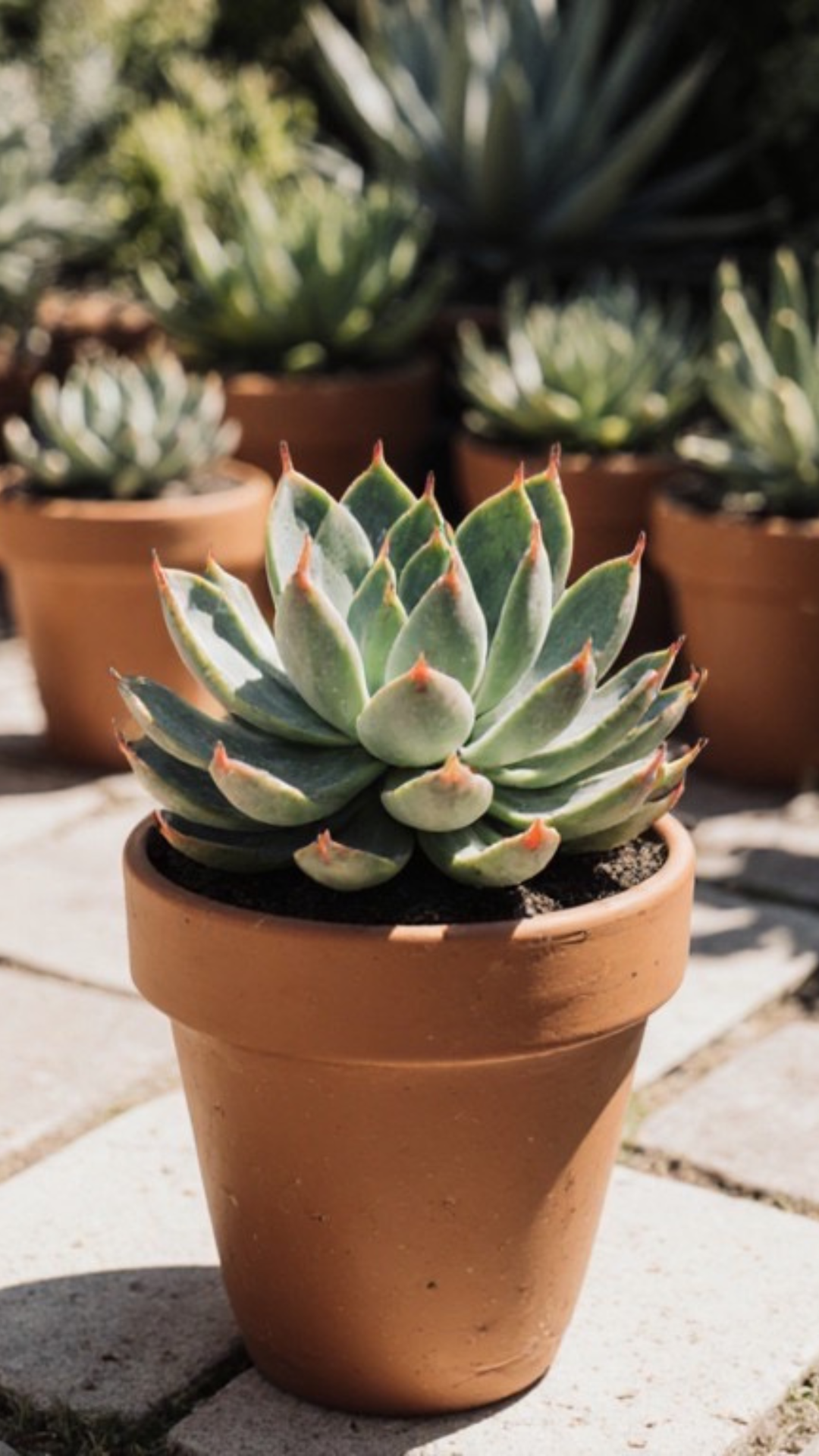
These rosette-forming succulents are stunning in containers. Echeverias have this powdery blue-green coloring, and sempervivums (hens and chicks) come in green, red, burgundy, and even purple tones.
I’ve created entire containers with just different varieties of sempervivum, and they look like living artwork. They handle heat incredibly well, though echeverias prefer a bit of afternoon shade in the very hottest climates. The main thing is not to overwater them—let the soil dry out between waterings.
More Heat-Loving Favorites
Mandevilla
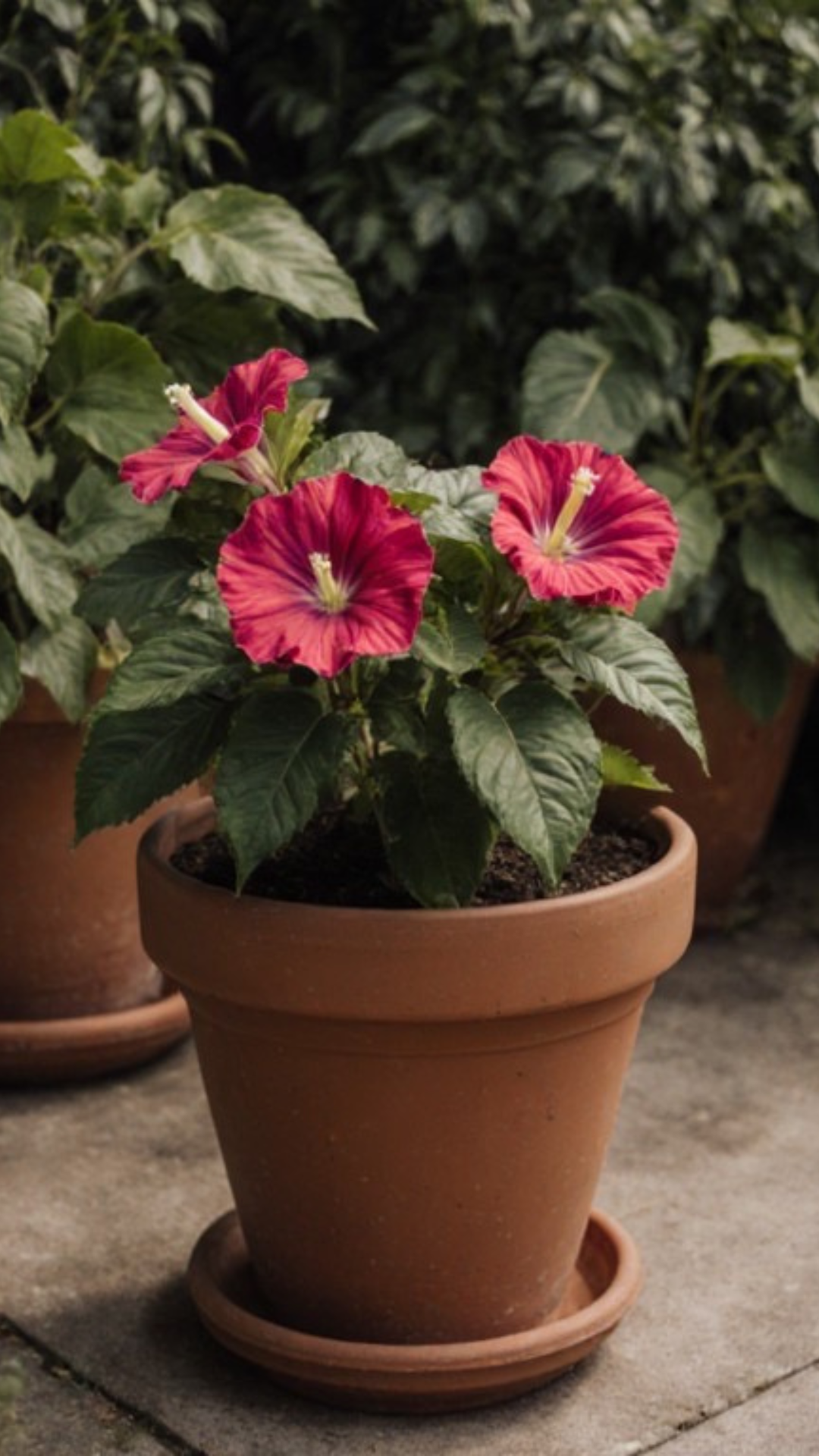
If you want a flowering vine for containers, mandevilla is spectacular. The trumpet-shaped blooms come in red, pink, and white, and they’re absolutely prolific in hot weather.
I grew a pink mandevilla up a small trellis in a container last summer, and it bloomed nonstop from June through September. It does need regular water and feeding, but the payoff is totally worth it. Just know that mandevilla is tropical, so it won’t survive frost. Some people overwinter them indoors, but I usually just treat them as annuals.
Calibrachoa (Million Bells)
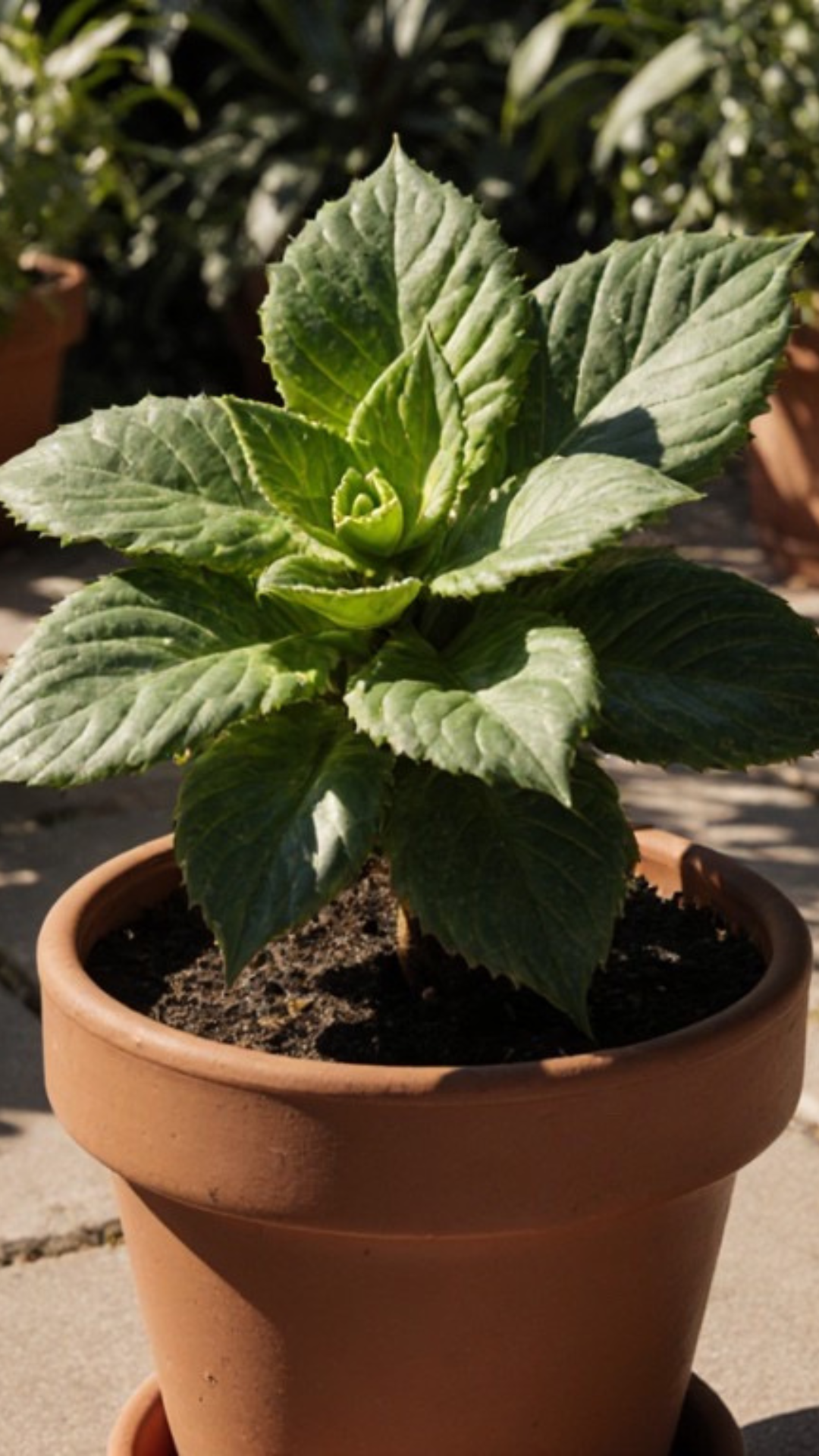
Calibrachoa looks like miniature petunias, but unlike petunias, they don’t get leggy and sad in the heat. These little flowers are tough and bloom prolifically all summer.
I use calibrachoa as a spiller in almost every mixed container I create. They come in tons of colors, and many varieties have really interesting patterns or color combinations. The Superbells series has been particularly reliable for me in intense heat.
Scaevola (Fan Flower)
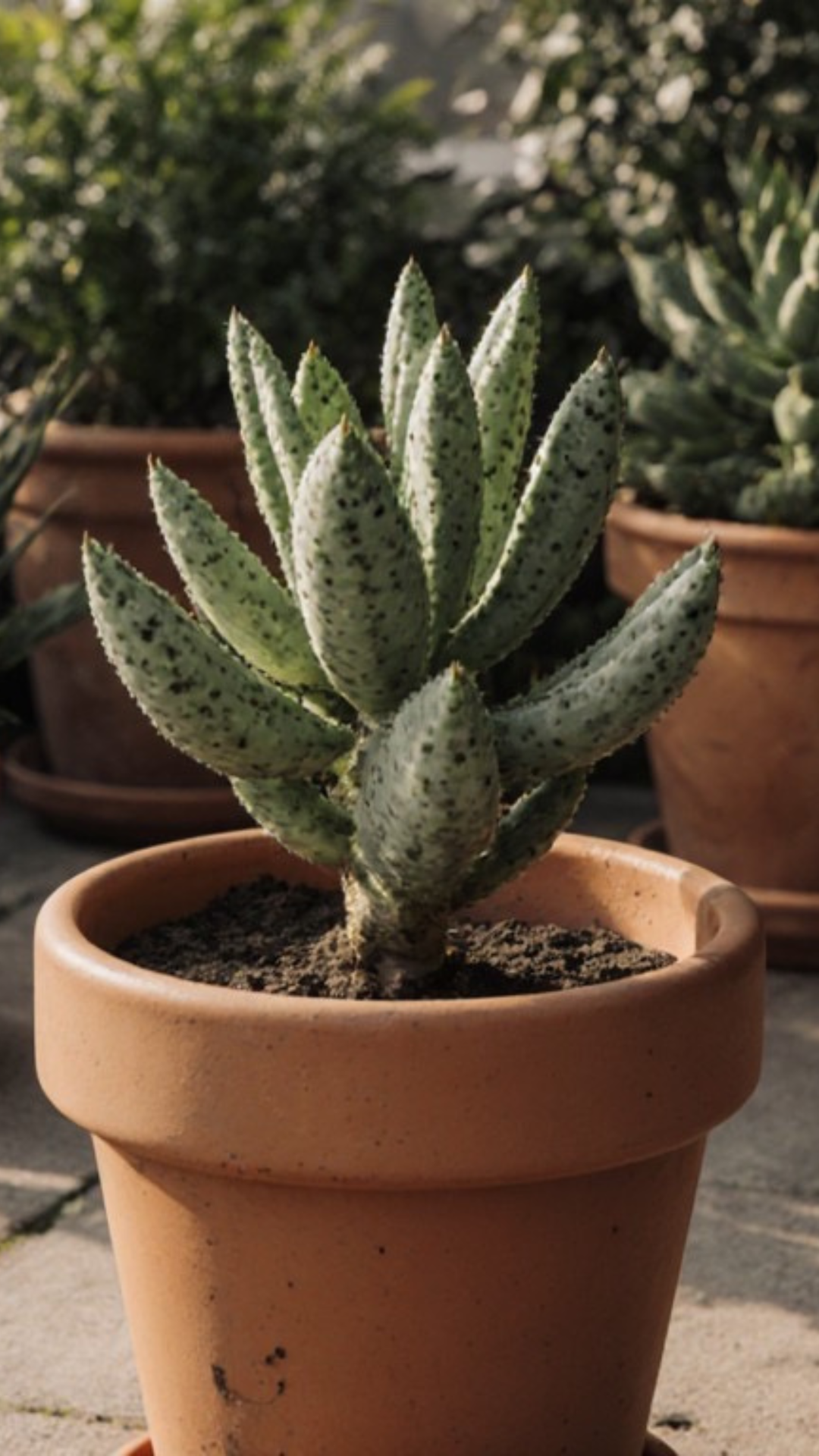
Scaevola is one of those plants that people ask me about constantly because it’s not as common as some other annuals. The fan-shaped flowers (hence the name) are usually blue or purple, though there are white and pink varieties too.
It’s incredibly heat and drought tolerant, and it blooms continuously without deadheading. I love using it in hanging baskets or as a spiller in mixed containers. It has this casual, trailing habit that looks really natural and unforced.
Gomphrena (Globe Amaranth)
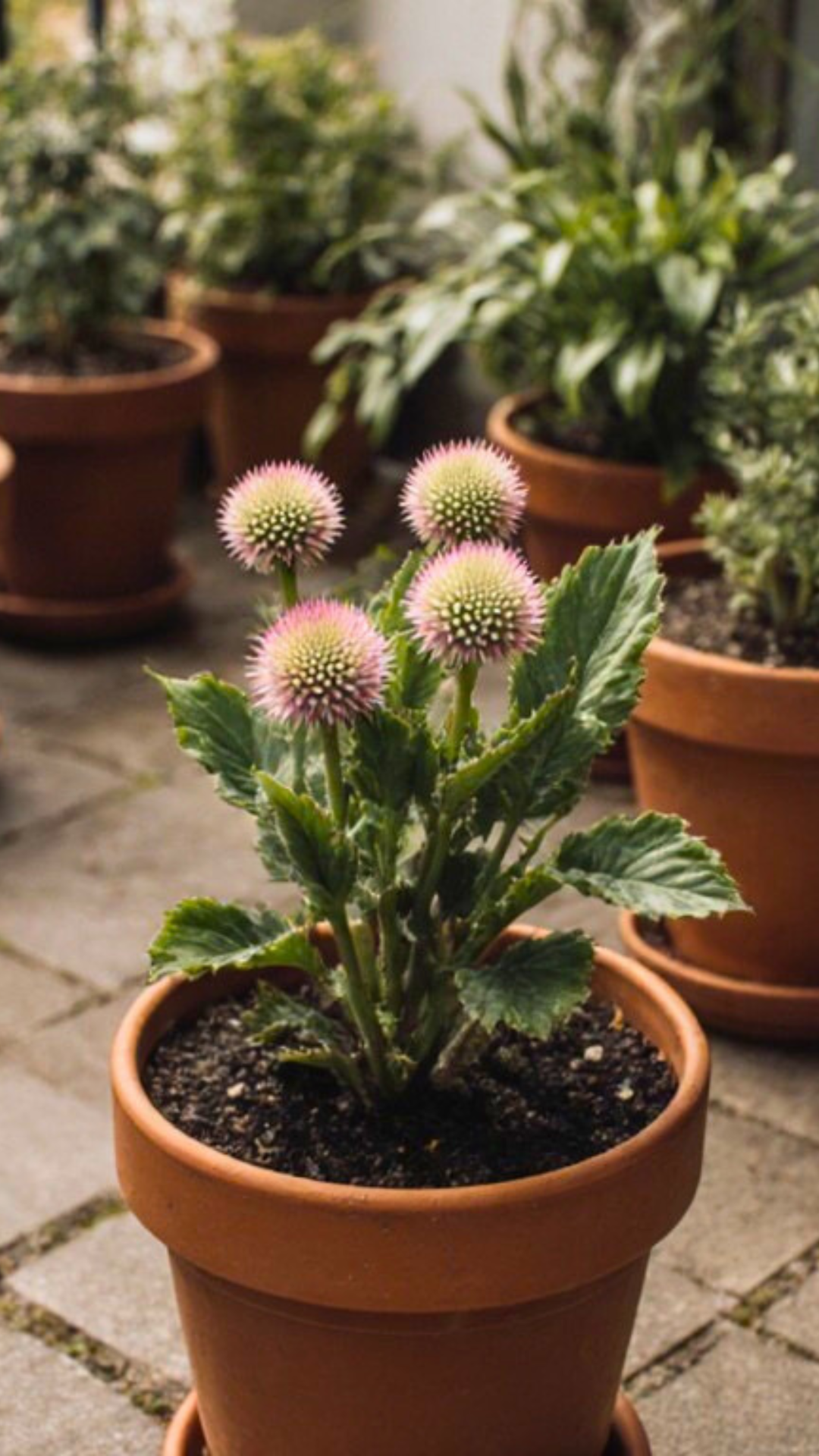
Gomphrena produces these little globe-shaped flowers that are honestly kind of weird-looking, but in the best way. They come in purple, pink, red, white, and bicolors, and they’re incredibly heat tolerant.
I’ve grown the ‘Fireworks’ variety, which has these hot pink blooms on tall stems that shoot up above the foliage. They’re also excellent for cutting and drying if you’re into that. And bees and butterflies love them, which is always a bonus.
Cuphea (Cigar Plant)
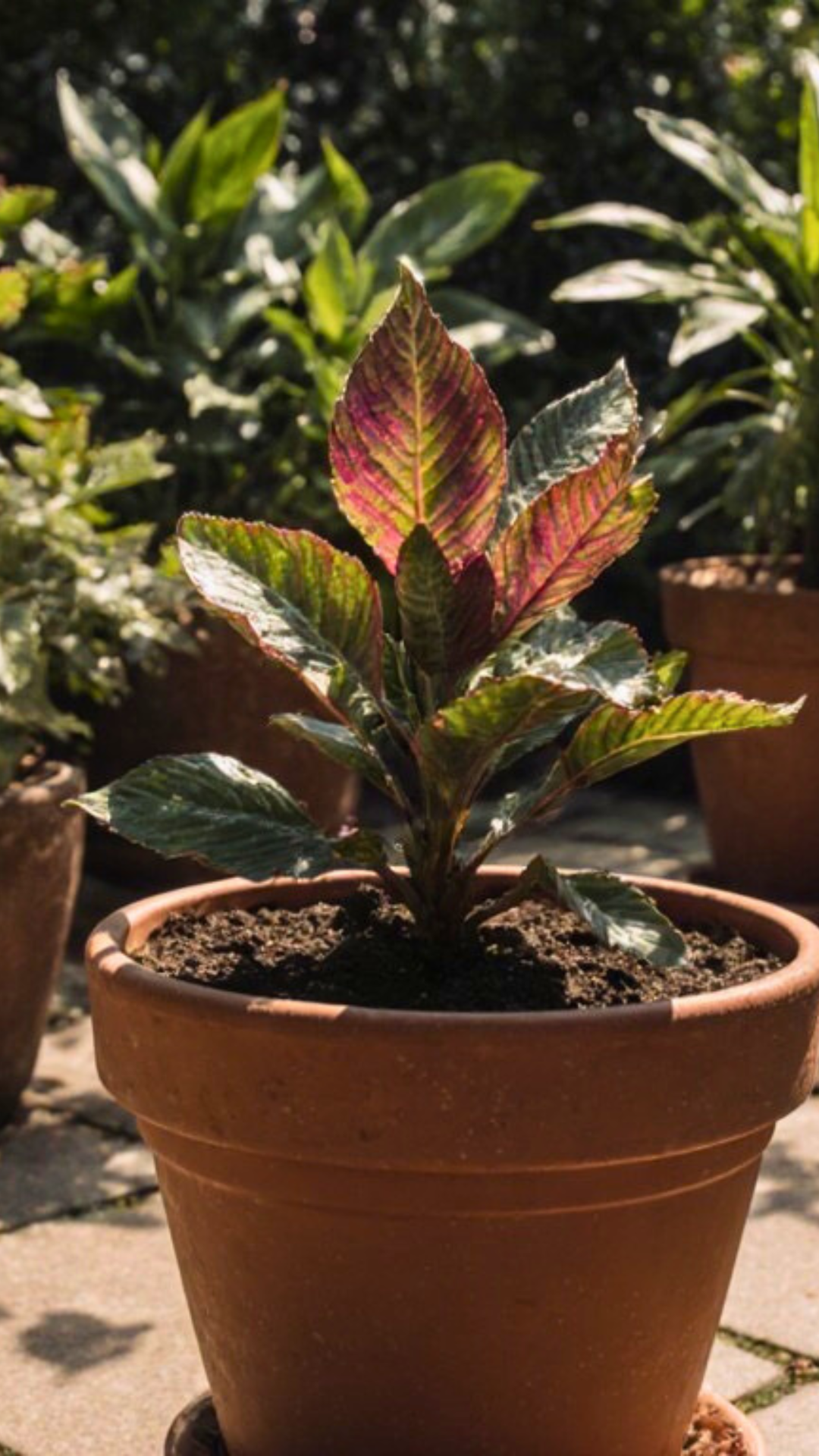
Cuphea is another one that’s not super common, but it should be. The tubular flowers come in orange, red, and purple, and hummingbirds go absolutely bonkers for them.
I planted ‘Vermillionaire’ cuphea last year after seeing it at a local garden center, and it outperformed pretty much everything else in my containers. It bloomed heavily all summer, handled the heat without complaining, and attracted more hummingbirds to my patio than I’d ever seen before. I’m definitely planting it again this year.
Tips for Success with Heat-Loving Container Plants
Okay, so here’s the thing: even heat-loving plants need some help when they’re in containers. The container environment is just inherently more stressful than in-ground planting, so you need to set them up for success.
**Use quality potting mix.** I cannot stress this enough. Don’t use garden soil or cheap potting mix in containers. You want something that drains well but also retains some moisture. I usually mix in some compost or worm castings for added nutrients and water retention.
**Size matters.** Bigger containers are almost always better, especially in heat. They dry out more slowly, give roots more room to spread, and don’t heat up as quickly. I’ve had much better success with containers that are at least 12 inches in diameter.
**Water consistently.** Even drought-tolerant plants need regular water when they’re in containers, especially during establishment. I water my containers daily during the hottest parts of summer, sometimes twice a day for hanging baskets. The general rule is to water when the top inch or two of soil is dry.
**Fertilize regularly.** Container plants need more frequent feeding than in-ground plants because nutrients wash out with watering. I use a diluted liquid fertilizer every 1-2 weeks during the growing season. Some people swear by slow-release granular fertilizers, which also work great.
**Provide some afternoon shade if possible.** Even heat-loving plants appreciate a break from the most intense afternoon sun in the very hottest climates. If you can position containers where they get morning and early afternoon sun but some relief during the hottest part of the day, many plants will perform even better.
Final Thoughts
The beautiful thing about container gardening with heat-tolerant plants is that you’re working *with* your climate instead of against it. Once I stopped trying to force plants that wanted cool temperatures and consistent moisture to survive in my hot, sometimes forgetful watering schedule, everything got so much easier.
These plants genuinely love the heat. They’re happiest when the temperature is cranking, and they’ll reward you with continuous blooms and beautiful foliage all summer long. Mix and match a few from this list, pay attention to what works best in your specific conditions, and don’t be afraid to experiment.
And honestly? If something doesn’t work, it’s not a failure—it’s just information for next year. That’s literally how I’ve learned everything about container gardening: through trial and error and a lot of dead plants along the way. But when you find those perfect heat-loving combinations that thrive in your space, it’s absolutely worth it.
